Don't take the Docker Certified Associate exam without this
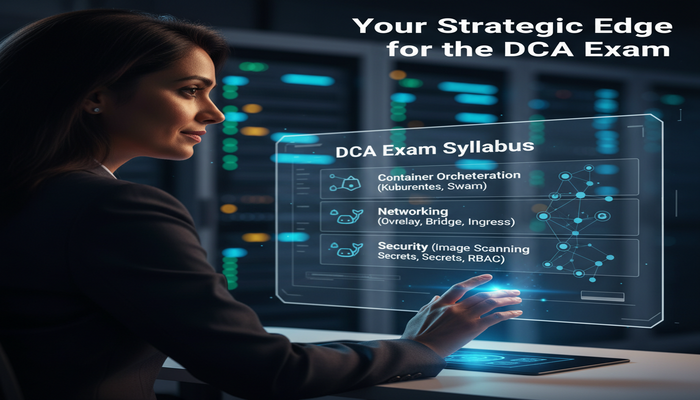
In the rapidly evolving landscape of cloud native technologies, Docker stands as a foundational pillar for containerization. As organizations increasingly adopt microservices architectures and DevOps practices, the demand for skilled professionals who can effectively manage and orchestrate Docker environments has skyrocketed. This is where the Mirantis Docker Certified Associate (DCA) certification comes into play, serving as a benchmark for your proficiency in Docker fundamentals and advanced container operations.
If you're eyeing a career acceleration in cloud native development, system administration, or DevOps engineering, the DCA certification is a powerful credential. It validates your ability to install, configure, secure, and troubleshoot Docker environments, from single-host deployments to orchestrated multi-container applications. But earning this coveted certification isn't a walk in the park. It requires meticulous preparation, a deep understanding of Docker's intricacies, and a strategic approach to mastering the Mirantis Docker Certified Associate exam topics.
This comprehensive guide is designed to be the definitive resource you need before you even think about sitting for the Docker Certified Associate exam. We'll explore who benefits most from this certification, delve into the exam's structure and syllabus, provide a robust study strategy, and arm you with the essential tips to ensure you don't just take the exam, but pass it with confidence.
Who is the Docker Certified Associate (DCA) Certification For?
The Mirantis Docker Certified Associate (DCA) certification is not for everyone, but for the right professionals, it's an invaluable career accelerator. This certification is specifically tailored for individuals who are actively working with Docker in various capacities or aspire to do so at a professional level. It validates a core set of skills that are critical in today's container-driven world.
Ideal Candidates for the DCA Certification
Consider the DCA if you fall into one of these professional categories:
- Developers: If you're building applications that leverage Docker for consistency across development, testing, and production environments, the DCA helps you optimize your container strategies, understand deployment nuances, and debug more effectively.
- System Administrators: For those managing server infrastructure, understanding how to install, configure, maintain, and troubleshoot Docker hosts and services is paramount. The DCA equips you with the knowledge to manage Docker effectively in production.
- DevOps Engineers: Orchestrating containerized applications, implementing CI/CD pipelines with Docker, and ensuring seamless deployments are central to a DevOps role. This certification strengthens your command over these critical areas, especially Docker container orchestration.
- Cloud Engineers: As cloud platforms increasingly integrate container services, a strong understanding of Docker from the DCA exam syllabus Mirantis perspective is crucial for designing and implementing scalable, cloud-native solutions.
- Site Reliability Engineers (SREs): Ensuring the reliability, availability, and performance of containerized applications requires deep Docker knowledge, which the DCA certification provides.
Prerequisites and Recommended Experience
While there are no official hard prerequisites for taking the Docker Certified Associate exam, Mirantis recommends a certain level of experience to ensure a higher chance of success. Candidates should ideally have:
- 6-12 months of experience working with Docker in a professional capacity.
- A solid understanding of Linux command-line interface (CLI) and basic Linux system administration.
- Familiarity with container concepts, Docker Engine, Docker Compose, and Swarm mode for orchestration.
- Experience with deploying applications in a containerized environment.
This experience will provide the foundational context necessary to grasp the more advanced topics covered in the DCA exam blueprint.
Career Impact of DCA Certification
Obtaining the Mirantis Docker Certified Associate certification can significantly impact your career trajectory. It demonstrates a validated skill set that is highly sought after by employers worldwide. Professionals with DCA certification often see:
- Increased job opportunities in roles like Container Specialist, DevOps Engineer, Cloud Native Developer, and Kubernetes Administrator.
- Enhanced earning potential due to specialized, in-demand skills.
- Credibility and recognition within the cloud native community.
- A clear pathway to more advanced certifications and roles in container orchestration technologies.
Understanding the Mirantis Docker Certified Associate (DCA) Exam
Before you dive into your study materials, it's essential to understand the specifics of the Mirantis Docker Certified Associate exam. Knowing the format, duration, and scoring will help you strategize your preparation and approach the test day with confidence.
Exam Overview
The Mirantis Docker Certified Associate (DCA) certification validates a candidate's skills in Docker Swarm orchestration, image management, installation, networking, security, and storage. It's a hands-on, performance-based exam that requires practical application of your Docker knowledge.
- Exam Name: Mirantis Docker Certified Associate (DCA)
- Vendor: Mirantis
- Exam Code: DCA
- Certification Full-Name: Mirantis Docker Certified Associate (DCA)
- Exam Prouct-Version: Version 1.5
- Exam Category: Cloud Native
Exam Details
Here are the critical details you need to know about the exam's logistics:
- Exam Price: $199 USD
- Duration: 90 minutes
- Number of Questions: 55
- Passing Score: Pass / Fail (Approx 70%)
- Format: Performance-based, requiring you to perform tasks on a live Docker environment.
The performance-based nature of the exam means memorization alone won't suffice; you must be able to execute Docker commands and troubleshoot issues under timed conditions.
Deep Dive into the DCA Exam Syllabus: What You Need to Master
The Mirantis Docker Certified Associate exam syllabus is meticulously structured to cover the most critical aspects of Docker administration and orchestration. A thorough understanding of each section and its weightage is key to targeted and efficient preparation for the Mirantis Docker Associate exam topics.
Syllabus Topics Breakdown
Let's break down the core components of the DCA exam syllabus Mirantis provides:
- Orchestration (25%)
This is the largest section, emphasizing your ability to use Docker Swarm for deploying and managing multi-container applications. You'll need to know how to:
- Create, configure, and manage Swarm clusters.
- Deploy applications using Docker Stack files.
- Scale services, perform rolling updates, and rollbacks.
- Understand Swarm networking, service discovery, and load balancing.
- Troubleshoot Swarm-related issues.
- Image Creation, Management, and Registry (20%)
Docker images are the building blocks of containers. This section covers:
- Creating Dockerfiles using best practices (multi-stage builds, caching).
- Managing image layers and reducing image size.
- Tagging, pushing, and pulling images from Docker Hub or private registries.
- Understanding image security and vulnerability scanning basics.
- Installation and Configuration (15%)
Before you can run Docker, you need to set it up correctly. This involves:
- Installing Docker Engine on various Linux distributions.
- Configuring Docker daemon settings (e.g., storage drivers, logging).
- Managing Docker with systemd or other init systems.
- Setting up contexts and using Docker CLI effectively.
- Networking (15%)
Containers need to communicate, and this section tests your networking prowess:
- Understanding different Docker network drivers (bridge, host, overlay, macvlan).
- Creating and managing custom networks.
- Exposing container ports and configuring DNS resolution.
- Troubleshooting network connectivity issues between containers and services.
- Security (15%)
Security is paramount in any production environment. The DCA exam covers:
- Understanding Docker daemon security (e.g., TLS, API access).
- Implementing container runtime security (e.g., seccomp, AppArmor).
- Managing secrets with Docker Swarm.
- User and group management within containers.
- Image signing and content trust.
- Storage and Volumes (10%)
Data persistence is crucial for containerized applications. This final section focuses on:
- Understanding different storage drivers.
- Creating and managing Docker volumes (named volumes, bind mounts).
- Using volume plugins.
- Implementing data backup and recovery strategies for containers.
Crafting Your Mirantis DCA Certification Study Guide
A well-structured study plan is the cornerstone of success for any certification exam, and the Mirantis Docker Certified Associate exam is no exception. Beyond just knowing the concepts, you need to develop practical skills. Here's how to build an effective Mirantis Docker Certified Associate study guide.
Official Resources and Documentation
Your first stop should always be the official documentation. Mirantis provides a wealth of information, and understanding how Docker officially works is critical. Make sure to consult the official Mirantis Docker Certified Associate study guide for Version 1.5, as it provides a clear outline of topics and resources. Additionally, the Docker official documentation itself is an invaluable resource for deep dives into specific commands and concepts.
Hands-On Experience: The Non-Negotiable Element
The DCA is a performance-based exam, meaning theoretical knowledge alone is insufficient. You absolutely must have hands-on experience. Set up your own Docker environment – a virtual machine, a cloud instance, or even Docker Desktop on your local machine. Practice:
- Installing and configuring Docker Engine.
- Building Dockerfiles from scratch.
- Deploying multi-service applications with Docker Compose.
- Initializing and managing Docker Swarm clusters.
- Troubleshooting network and storage issues.
- Implementing security best practices.
There's no substitute for getting your hands dirty and repeatedly performing the tasks you expect to see on the exam.
Practice Exams and Sample Questions
To gauge your readiness and familiarize yourself with the exam format, Mirantis DCA practice exam questions are indispensable. Look for reputable sources that offer questions mirroring the real exam's style and complexity. While this article provided a link to Mirantis Docker Certified Associate exam sample questions earlier, seek out others and timed practice tests to refine your skills under pressure.
Community Forums and Study Groups
Engaging with the Docker community can provide insights, tips, and alternative explanations for challenging concepts. Join Docker forums, Reddit communities (like r/docker), or local meetups. Discussing Mirantis Docker Associate exam topics with peers can highlight areas you might have overlooked and offer new perspectives.
How to Prepare Effectively for Mirantis DCA Certification
Preparation isn't just about what you study, but how you study. An effective preparation strategy for the Mirantis DCA certification will maximize your learning and retention, ensuring you're fully ready for the challenge.
Structured Study Plan
Break down the DCA exam syllabus into manageable sections. Allocate specific time slots each week for studying different topics, giving more weight to areas you find challenging or those with higher exam percentages. Consistency is key; even short, focused study sessions are more effective than infrequent cramming.
Time Management During Practice
Given the 90-minute duration for 55 questions, time management is critical. During your hands-on practice, try to simulate exam conditions. Set timers for tasks, and strive to complete them efficiently. This will train you to work under pressure and allocate your time wisely on the actual exam day.
Leverage Official Documentation and Labs
While third-party resources can be helpful, always cross-reference information with official Docker and Mirantis documentation. Many online courses and tutorials offer labs that mirror real-world scenarios, which are excellent for practical application and understanding of Docker basics certification Mirantis expects.
Reviewing the Mirantis Docker Certified Associate Exam Blueprint
The exam blueprint provides detailed objectives for each syllabus section. Go through it point by point, ensuring you can confidently perform every task listed. If there's an objective you're unsure about, that's a clear signal to dedicate more study time to it.
Unlocking Career Growth: Benefits of Docker Certified Associate Certification
Investing your time and resources into earning the Mirantis Docker Certified Associate certification offers substantial returns in terms of career advancement and professional recognition. The benefits extend far beyond just having another credential on your resume.
Enhanced Skill Set and Expertise
The DCA certification process rigorously tests your knowledge across Docker's core components. By preparing for and passing the exam, you solidify your understanding of Docker installation, configuration, networking, security, storage, and, crucially, container orchestration certification using Swarm. This comprehensive skill set makes you a more versatile and valuable professional.
Increased Job Opportunities and Demand
With the widespread adoption of containers, companies are actively seeking professionals with proven Docker skills. The DCA acts as a clear signal to employers that you possess the practical abilities to manage and deploy containerized applications effectively. This can open doors to new roles in DevOps, cloud engineering, and site reliability, and position you for opportunities in the burgeoning cloud native Docker certification space.
The U.S. Bureau of Labor Statistics projects significant growth in computer and information technology occupations, highlighting the increasing demand for specialized skills like those validated by the DCA. You can learn more about the projected growth in IT occupations, which often includes roles benefiting from Docker expertise.
Higher Earning Potential
Specialized certifications like the DCA often correlate with higher salaries. Employers are willing to pay a premium for individuals who can demonstrate verified expertise in critical technologies like Docker, especially given its role in modern infrastructure and application deployment. The Docker Certified Associate certification benefits your financial outlook directly.
Industry Recognition and Credibility
Mirantis, as a key player in the cloud native ecosystem and the vendor behind the DCA, lends significant weight to the certification. Holding a DCA means you're recognized by the industry as a competent professional in Docker, giving you a competitive edge in the job market and among your peers. This credibility is vital in a rapidly evolving tech environment.
Passing the Mirantis DCA Exam: Essential Tips and Strategies
With your study guide in hand and a solid understanding of the content, the next step is to refine your exam-taking strategy. These passing Mirantis DCA exam tips will help you perform your best on test day.
Understand the Mirantis DCA Exam Format
Remember, it's a performance-based exam. This means you'll be presented with scenarios and asked to execute commands on a terminal. Familiarize yourself thoroughly with the command-line interface, tab completion, and typical Docker commands. Practice in a similar environment to what you'll encounter.
Time Management During the Exam
90 minutes for 55 tasks can feel tight. Don't get stuck on one question for too long. If you're struggling, flag it and move on. You can always come back to it if you have time. Prioritize tasks you know you can complete quickly and accurately to bank points. The Mirantis DCA exam format requires efficient problem-solving.
Practice, Practice, Practice
There's no shortcut here. Replicate the exam environment as much as possible. Create and destroy Swarm clusters, build and push images, set up complex networks, and test security configurations. The more comfortable you are executing commands and troubleshooting on the fly, the better you'll perform. Focus your DCA certification exam prep on hands-on labs.
Review the Mirantis Docker Certified Associate Exam Blueprint
Before the exam, give the blueprint one final pass. This acts as a checklist to ensure you haven't missed any objectives. Pay special attention to the weightage of each section; spend more time reviewing the Orchestration and Image Management sections.
Read Questions Carefully
In a performance-based exam, a slight misinterpretation of the question can lead to an incorrect solution. Read each question thoroughly, noting any specific requirements or constraints. For example, if it asks to use a specific network name or port, ensure you use precisely that.
Mirantis DCA Exam Cost and Logistics
Understanding the administrative aspects of the Mirantis Docker Certified Associate (DCA) exam is just as important as mastering the technical content. Here's what you need to know about the Mirantis DCA exam cost and how to register.
Exam Cost and Registration
The Mirantis DCA exam cost is $199 USD. This fee typically includes one attempt at the certification exam. Registration is handled directly through the Mirantis platform. To register, schedule your exam, and find the most up-to-date information regarding exam policies, visit the official Mirantis DCA certification page.
Retake Policy
Should you not pass on your first attempt, Mirantis generally allows retakes. However, there might be a waiting period before you can reattempt the exam, and each retake will incur the full exam fee. It's always best to check the official certification page for the most current retake policies and associated costs to ensure you're fully informed.
Exam Environment and Technical Requirements
The exam is typically delivered online, with a proctor overseeing the session. You'll need a stable internet connection, a quiet environment, and a computer that meets specific technical requirements (e.g., webcam, microphone, compatible operating system). Ensure your setup is ready well in advance of your exam appointment to avoid any last-minute technical hitches.
Frequently Asked Questions (FAQs)
1. What is the Docker Certified Associate certification?
The Docker Certified Associate (DCA) is a professional certification offered by Mirantis that validates an individual's skills in Docker installation, configuration, management, security, networking, storage, and orchestration using Docker Swarm. It's designed for professionals working with Docker in cloud native environments.
2. How much does the Mirantis DCA exam cost?
The Mirantis DCA exam cost is $199 USD for a single attempt. This fee is subject to change, so it's always recommended to check the official Mirantis certification page for the most current pricing.
3. How long is the Docker Certified Associate exam?
The Docker Certified Associate exam has a duration of 90 minutes. It consists of 55 performance-based questions where candidates are required to execute commands and solve problems in a live Docker environment.
4. What are the main Mirantis Docker Associate exam topics?
The main topics for the Mirantis Docker Associate exam (Version 1.5) include Orchestration (25%), Image Creation, Management, and Registry (20%), Installation and Configuration (15%), Networking (15%), Security (15%), and Storage and Volumes (10%).
5. Is the Mirantis DCA certification worth it for career advancement?
Yes, the Mirantis DCA certification is highly regarded for career advancement. It demonstrates validated expertise in Docker, a critical technology in cloud native and DevOps fields. This can lead to increased job opportunities, higher earning potential, and industry recognition for professionals in roles such as DevOps Engineer, Cloud Engineer, and System Administrator.
Conclusion
The Mirantis Docker Certified Associate (DCA) certification is more than just a piece of paper; it's a testament to your hands-on expertise and commitment to mastering one of the most vital technologies in modern software development and infrastructure. By following a structured study plan, immersing yourself in practical labs, and leveraging resources like Mirantis Docker Certified Associate exam sample questions, you can approach the exam with the confidence needed to succeed.
Earning your DCA will not only validate your skills but also open doors to exciting career opportunities in the burgeoning cloud native landscape. It positions you as a critical asset in organizations adopting Docker for efficiency, scalability, and innovation. Don't just take the exam; conquer it. Start your focused preparation today and secure your future as a certified Docker professional.


Comments
Post a Comment